Vitamin C
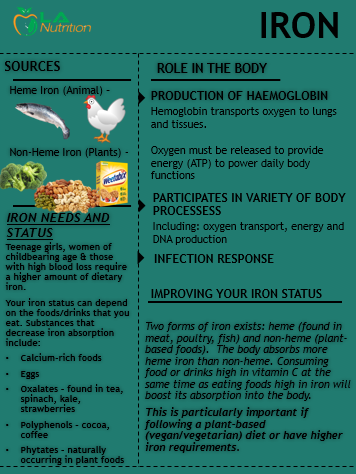
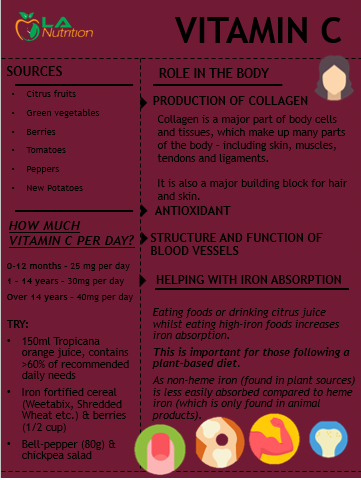
Vitamin C – also known as ascorbic acid, can be found in: broccoli, cauliflower, kale, kiwi, bell peppers, sweet potato, strawberries, tomatoes, oranges & orange juice. It is important that w get enough in our diet because it is required for :
- Protecting cells from damage and disease
- The production of collagen
- Aiding the absorption of iron
Collagen
Collagen a protein – found within skin, bones, tendons, blood vessels and connective tissue. It helps to keep strong and flexible blood vessels, and help to maintain a good blood flow. Those with diets high in vitamin C (who eat the most fruits and vegetables) are the least likely to have a stroke which occur when there is an interruption of constant blood flow to the brain – that causes loss of neurological function.
Common causes of poor and lower blood flow and a primary risk factor for stroke include obesity. Research showed that obese children who took a vitamin C supplement on a daily basis – reduced the protein, endothelin-1 (a vasoconstrictor which narrowed the blood vessels) resulting in a better blood flow.
Absorption of Iron
If you only consume plant sources of iron make sure to consume it with a source of vitamin C. This will help improve and increase the absorption of iron into your body – as plant sources (non-heme iron) are absorbed less readily than animal based sources (heme-iron).
- Plant sources – nuts and seeds, fortified cereals, green leafy vegetables, tofu & spinach
- Animal sources – liver, chicken, eggs, fish, poultry.
Vitamin C plays a key role in the absorption of non-heme due to
- The prevention of the formation of unabsorbable iron compounds
- The reduction of non-heme iron to heme iron. (Iron first has to be in the form of heme to be uptaken & absorbed)
Iron and Haemoglobin
Iron is required for the production of haemoglobin – a protein found in red blood cells (RBCs) which help with breathing & energy production.
4 heme groups are within the haemoglobin molecule, which contain an iron molecule. One iron atom binds with one oxygen molecule and transports it to the lungs and tissues. There oxygen is released, and binds to glucose to create energy. Created during this reaction is carbon dioxide – which will bind with haemoglobin and be transported back to the lungs and expelled from the body.
Poor absorption of iron or lack of iron in the diet can cause iron deficiency anemia – which can lead to – fatigue, weakness, pale skin, shortness of breath and strange cravings to eat items that aren’t food, such as dirt, ice, or clay.