
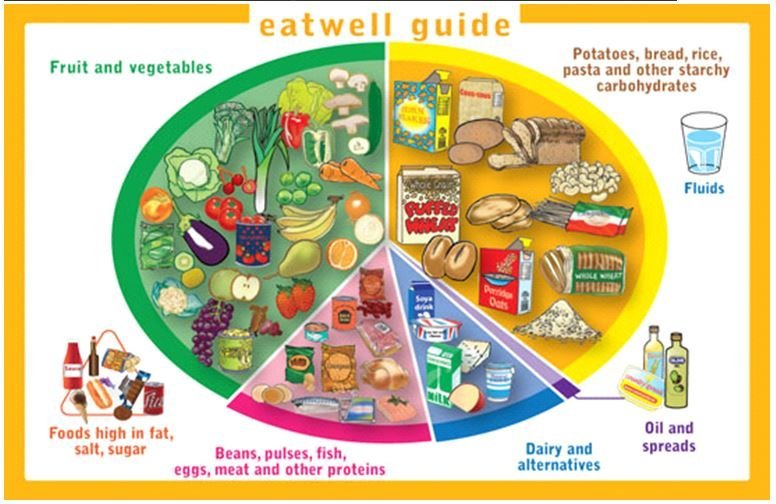
The UK Government’s Eatwell Guide outlines a diet which meets the nutrient needs, and aims to improve the nutritional quality of individual diets. It is likely to lead to substantial health benefits.
The Eatwell Guide is based on different food groups.
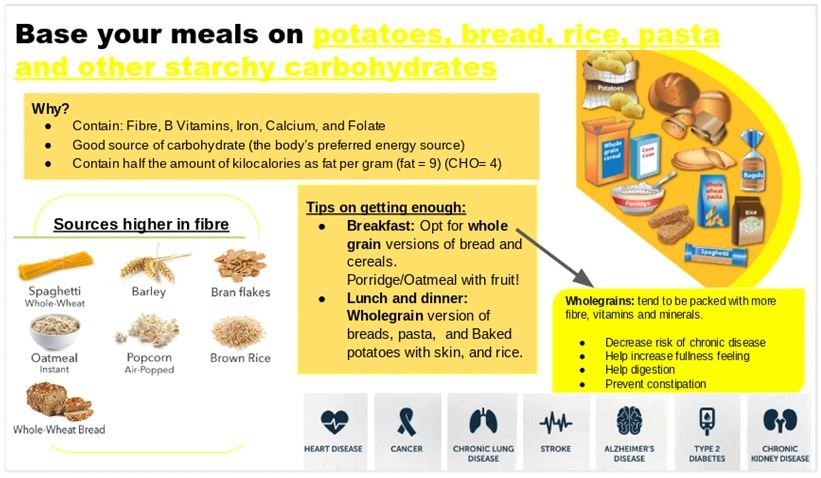
⦁ Potatoes, bread, rice, pasta and other starchy carbohydrates.
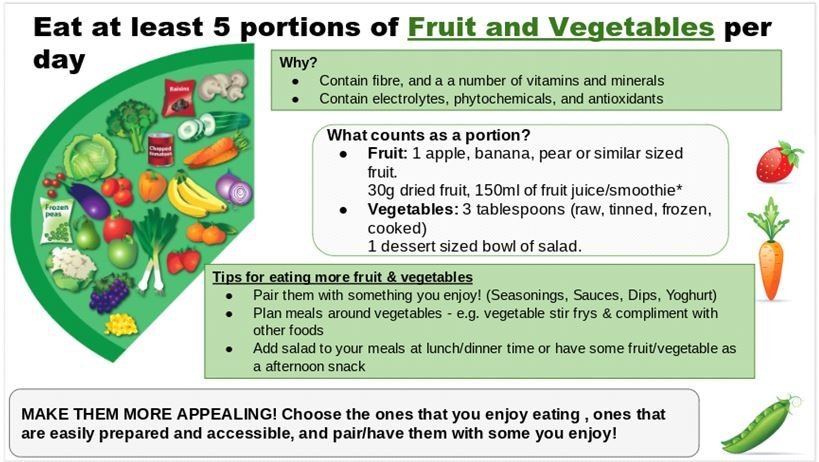
⦁ Fruit and vegetables
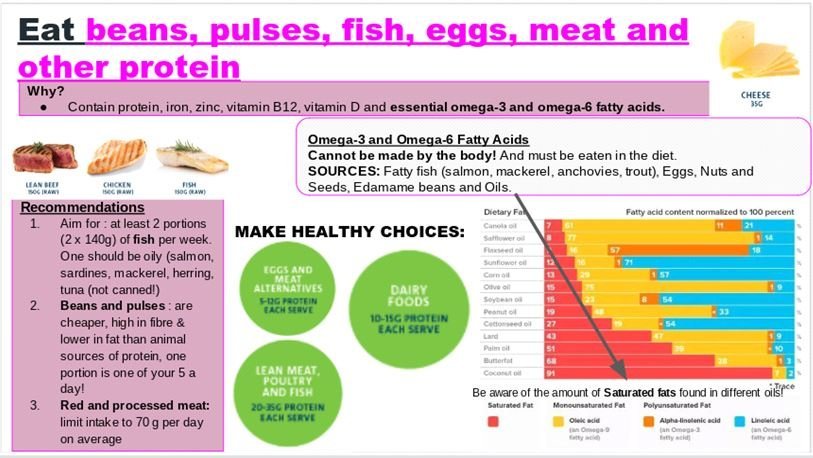
⦁ Beans, pulses, fish, eggs, meat and other proteins.
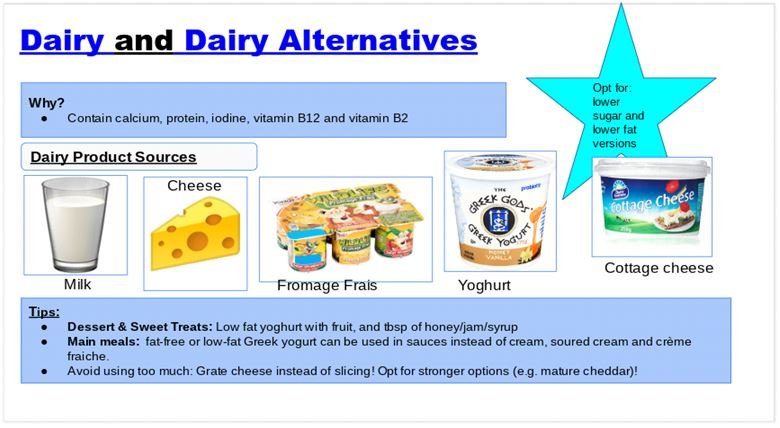
⦁ Dairy and dairy alternatives
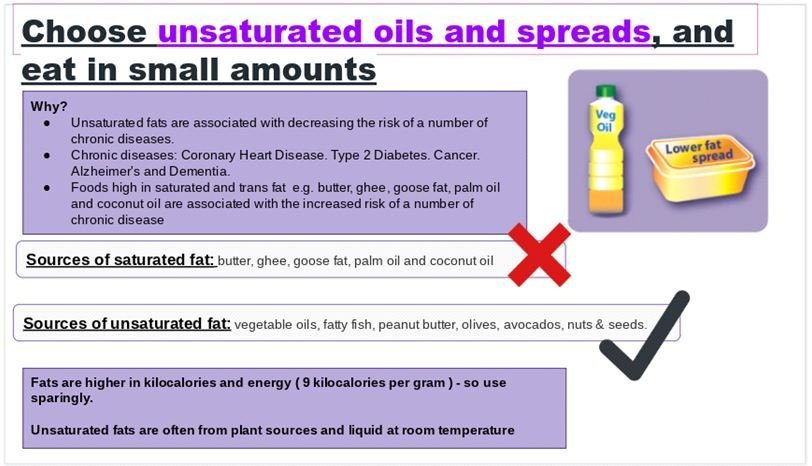
⦁ Oils and spreads
⦁ Water and fluid
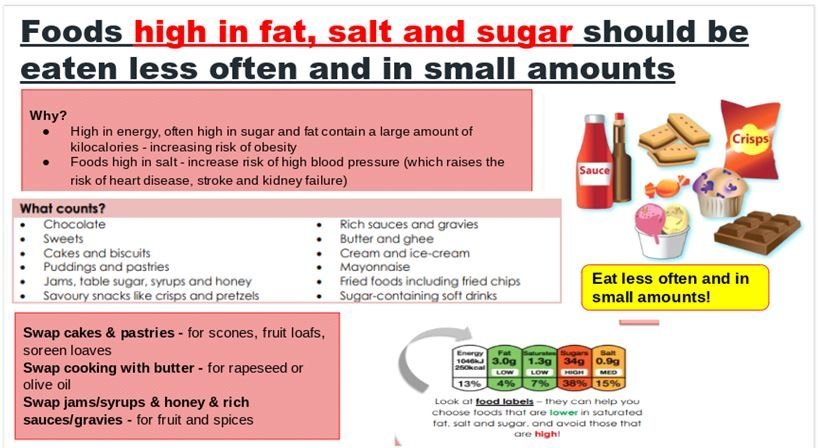
The guide agrees that foods which are high in fat, sugar and salt should be consumed less often, and in small amounts.
My interest diet quality arose from my interest in trying to improve the diet quality amongst children and families, as
‘’Dietary behaviours and habits which are established in childhood are often continued into adulthood, and can impact health and wellbeing in both childhood and adulthood. ‘’
Children within the UK are known to be consuming too many ‘’free sugars’’ and too much ‘’saturated fats’’ – and some are not currently obtaining certain other vitamins. Diet quality is an important factor which impacts health and wellbeing, and can increase the risk of certain diseases.
My dissertation was carried out on the diet quality of children aged between 4-5 years and 10-11 years. Their average daily intake (over 3 days) was assessed and compared to the dietary reference values (DRV’s) first recommended by the Committee on Medical Aspects of Food Policy (COMA) in 1999 of certain macronutrients (Carbohydrates, Fats, & Saturated Fats) and micronutrients (zinc, iodine, calcium, magnesium and iron). COMA were taken over by the Scientific Advisory Committee on Nutrition (SACN), and currently advises the Government on diet and health, they updated the DRV’s in both 2015 for recommended free sugar and recommended that Children aged 7 to 10 should have no more than 24g of free sugars a day and children aged 4 to 6 should have no more than 19g of free sugars a day.
My dissertation topic ‘’Mother’s Nutritional Knowledge and the Influence on Children’s Dietary Intake’’ arose and I found that a group of children (sample size = 20), had similar diets to what had already been reported by the British Nutrition Foundation (BNF) back in 2016. Their diets were too high in saturated fats, and added sugars – and dietary fibre intake was also somewhat below the recommended intakes. A mother’s nutritional knowledge has been shown to have some effect on the intakes of their children, but that influence decreases as the child ages.
‘’Diet quality refers to the amount of nutrients from foods which provide the energy and all essential nutrients to support body maintenance, growth, physiological status (e.g. pregnancy and lactation), physical activity and to protect against infection.’’
‘’An inadequate diet quality is associated with :
⦁ Growth retardation, mortality and infections
⦁ A reduced capacity for learning and reduced productivity
⦁ Chronic Disease (Type 2 Diabetes, Cardiovascular Disease, Arthritis, Cancer etc.)
in both adults and children.’’
‘’Eating lots of saturated fat can raise your cholesterol and increase your risk of heart disease’’
‘’Adding sugar to foods and drinks make them more calorie dense – making it easier to consume extra calories when eating foods that contain added sugar.’’
‘’Low dietary fibre intake has been linked to the onset of depressive symptoms, constipation and bowel cancer. A high fibre diet can help reduce cholesterol, reduce the risk of diabetes and can help protect against overweight’’
It is important to understand the importance of a good diet quality and not just calories in life! Consider quality, not just calories – and ensure that your health is optimal too!
Your diet should consist of mainly unrefined, minimally processed foods like:
⦁ Fruits and vegetables,
⦁ Wholegrains
⦁ Healthy fats
⦁ Healthy sources of protein.
In order to promote better health!