
FODMAP standads for fementable oligo-, di-, mono-saccharides and polyols – which are terms used to class groups of carbohydrates.
They are quite simply carbohydrates but termed scientifically as – Fermentable Oligo-, Di-, Mono-saccharides And Polyols. Found in foods such as – wheat and beans, brussel sprouts, apples, cow’s milk, and fructose (natural in fruits, fruit juice and some vegetables and commonly added to processed foods).
FODMAP foods provide fuel for the beneficial digestive bacteria and do not usually cause any problems, however certain FODMAP foods (termed ‘high’ FODMAP foods) can trigger problems within the digestive system.
A low FODMAP diet has been found to help symptoms of patients with Irritable Bowel Syndrome (IBS). IBS is a condition which effects the digestive system – causing problems such as – stomach an abdominal cramps, bloating, diarrhea and constipation.
High FODMAP foods
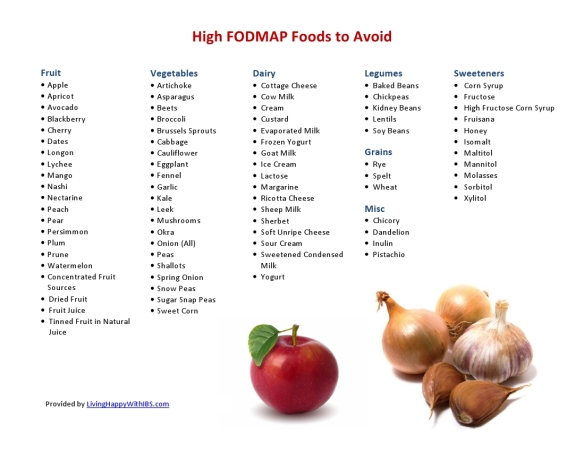
FODMAP foods – why do they cause problems?
FODMAP foods are sources of fibre – which are are resistant to digestion in the small intestine. They instead pass to the large intestine and are fermented – leading to the production of gas (i.e. methane and hydrogen) – which leads to gas, bloating, stomach cramps, pain and constipation. Which typically makes the stomach look larger & bloated.

Instagram : @madlymish
FODMAPs can also cause liquid to be drawn into the intestine – leading the diarrhea.
IBS
Irritable Bowel Syndrome (IBS) is a common disorder that includes symptoms liek – gas, bloating, stomach cramps, diarrhea & constipation.
There is no current defined known cause of IBS – but it is well known the diet has a significant effect, and stress. Individuals with IBS can benefit from a low-FODMAP diet.
A low FODMAP diet
The benefits of a low-FODMAP diet may include:
- Less gas
- Less bloating
- Less diarrhea
- Less constipation
- Less stomach pain
It may also have positive mental health benefits – as these digestive issues ^ are likely to cause stress, and are linked to mental problems – like anxiety & depression.
 It is best to determine which FODMAP food types are problematic – as you need to make sure you are eating a variety of foods to ensure you meet your nutritional requirement
- Have a source that helps you remember which foods are high/low in FODMAPS – e.g. the two pictures above, & some applications on phones can help(e.g. FODMAP diet A to Z food list, Monash University FODMAP diet).
- Food diary – this will help get a sense of the relationship between the foods you’re eating & your symptoms and feelings. Keep a track of everything you eat, the symptoms you experience, how you feel etc.
The foods that that are leading to bad symptoms & feelings; eliminate from your diet & focus on foods not causing symptoms and feelings