
A ketogenic diet is composed of high amounts of fats, a moderate amount of protein, and is focused on very-low-carbohydrate intakes. On a 2000 kcal per day diet, carbohydrate intake would be around 20 to 50 g per day. It was first used to treat epilepsy, but more recently has been shown to be effective, at least in the short term to be utilised as a rapid weight loss diet.
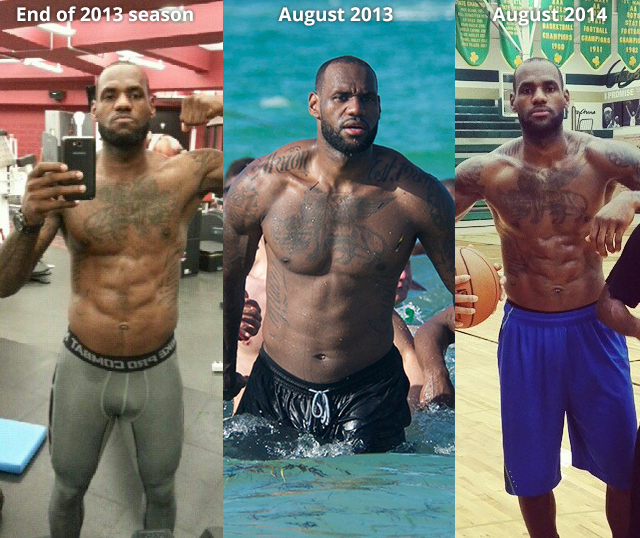
The ketogenic diet is a popular trend amongst celebrities and the popularity of it continues to rise. Reality stars like The Kardashians, and actress Halle Berry advocate cutting carbohydrates from their diets whilst LeBron James an American athlete tried the trend back in 2014 – again, cutting out carbohydrates and dairy and focusing his meals around meat, fish, fruits, and vegetables, which resulted in him losing a ton of weight.
Several studies have shown the effectiveness of ketogenic diets in both athletic and nonathletic populations showing a reduction in weight. When your body ends up in the ketosis state it is suggested that the ketosis state has a significant influence on decreasing your hunger, and causes individuals to report that they are able to go longer in-between meals – and thus supporting them to lose weight (Bazzano and Hu, 2014; Kendall and Haff, 2019; McSwiney et al., 2018; Paoli et al., 2012; Sawyer et al., 2013).
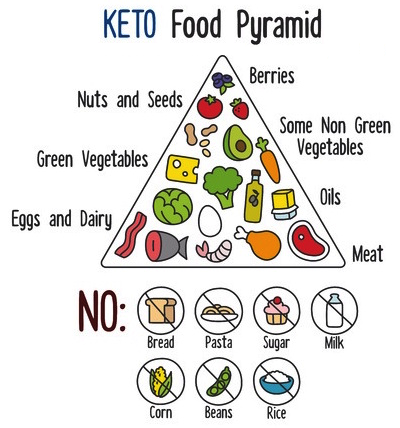
The amount of glucose (energy) required by the body is not able to be produced at the rate the body requires during a ketogenic diet. Carbohydrates are the body’s preferred source of energy, and during a ketogenic diet, the body is deprived of these carbohydrates – and enters a catabolic state in order to supply an alternative source of energy (state of breaking down larger molecules into smaller ones). This process is known as ketogenesis. The alternative source of energy is in the form of ketone bodies. Ketone bodies are derived from free fatty acids that are supplied from the diet or from adipose tissue (fat cells) and results in a state of ketosis.
Be cautious with a keto diet however. The side effects include a range of symptoms like: nausea, vomiting, headaches, fatigue, dizziness, insomnia, difficulty in exercise ability, and constipation. Ensuring enough fluid and electrolytes are taken in may help to counteract some of these symptoms.
Bazzano, L. and Hu, T. (2014). Effects of Low-Carbohydrate and Low-Fat Diets. Annals of Internal Medicine, 162(5), p.393.
Kendall, K. and Haff, G. (2019). Manuscript Clarification for A Low-Carbohydrate Ketogenic Diet Reduces Body Mass Without Compromising Performance in Powerlifting and Olympic Weightlifting Athletes. Journal of Strength and Conditioning Research, 33(4), p.e220.
McSwiney, F., Wardrop, B., Hyde, P., Lafountain, R., Volek, J. and Doyle, L. (2018). Keto-adaptation enhances exercise performance and body composition responses to training in endurance athletes. Metabolism, 83, pp.e1-e2.
Paoli, A., Grimaldi, K., D’Agostino, D., Cenci, L., Moro, T., Bianco, A. and Palma, A. (2012). Ketogenic diet does not affect strength performance in elite artistic gymnasts. Journal of the International Society of Sports Nutrition, 9(1).
Sawyer, J., Wood, R., Davidson, P., Collins, S., Matthews, T., Gregory, S. and Paolone, V. (2013). Effects of a Short-Term Carbohydrate-Restricted Diet on Strength and Power Performance. Journal of Strength and Conditioning Research, 27(8), pp.2255-2262.